Causes & symptoms
Swollen Hands After Drinking Alcohol: Why & What Helps

By Dana Reyes
Published Nov 6, 2026 · 7 min read
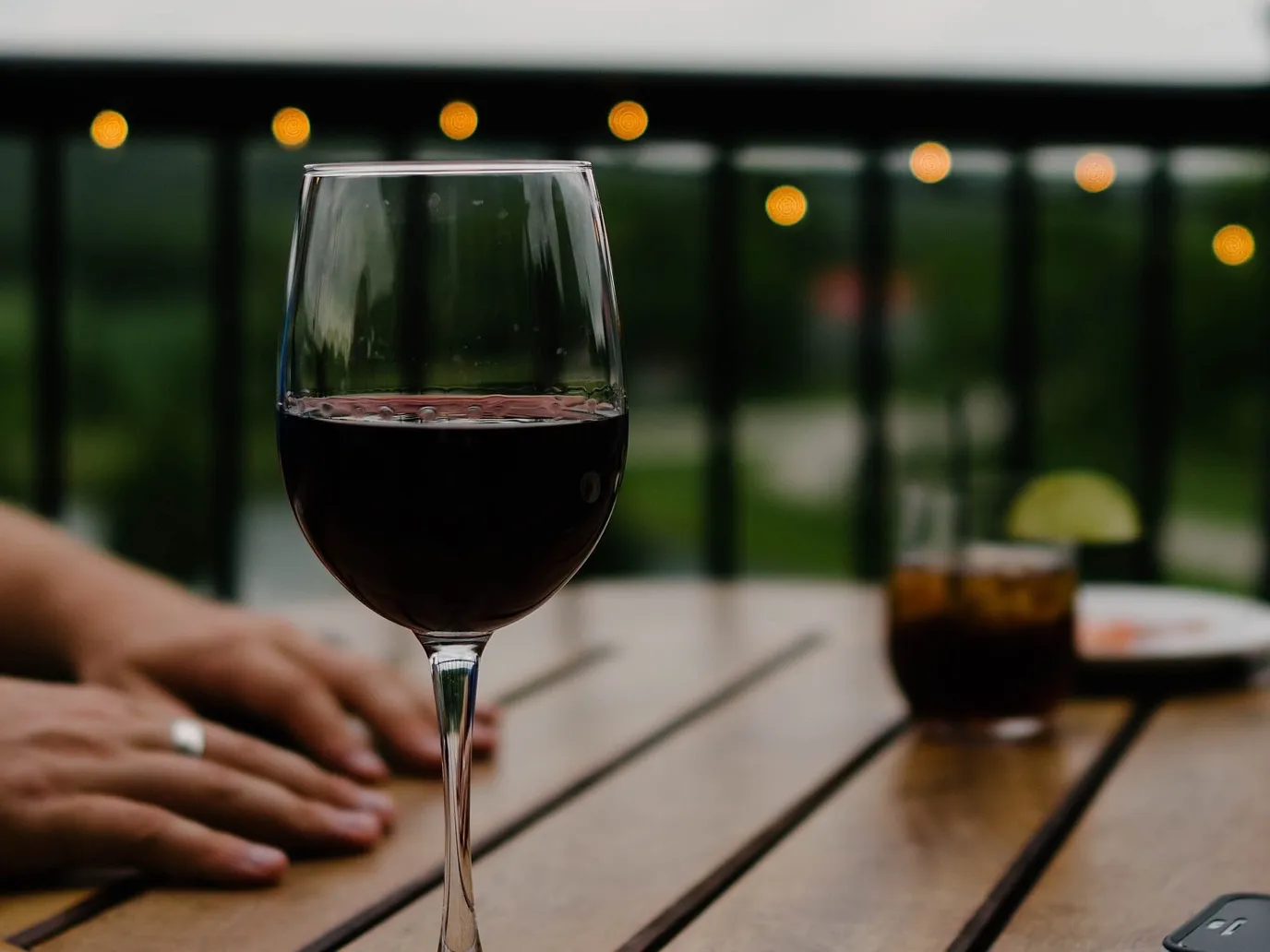 Photo: Serge Esteve, CC0, via Wikimedia Commons.
Quick answer
Alcohol makes you lose fluid, then your body holds on to water, and salty snacks make it hold even more. That extra fluid often shows in your hands, feet and face the next morning, and it usually clears within a few days. Swelling that starts within minutes of a drink is different: it points to a reaction, not water.
Editorial note: This article links to a supplement we independently reviewed. If you buy through it we may earn a small commission at no cost to you. This page is educational — not medical advice.
You wake up after a dinner with friends, reach for your ring, and it won't go past your knuckle. Your fingers look like sausages. Your face is puffy too, and your feet feel tight in yesterday's shoes.
It's unsettling, and it can be embarrassing at work the next day. The reassuring part: most of the time this is ordinary fluid, it passes, and there are simple ways to stop it happening every time. The important part is knowing the two situations where puffy hands after alcohol mean something else.
Everything below comes from the NIAAA (part of the U.S. National Institutes of Health), Mayo Clinic, MedlinePlus, the NHS, Cleveland Clinic and Everyday Health, linked so you can check it yourself.
Why do your hands swell after drinking?
It sounds backwards. Alcohol makes you pee more, so how can it make you hold water? The answer is a hormone.
NIAAA review (Alcohol Health & Research World): "increased urine flow results from alcohol's acute inhibition of the release of antidiuretic hormone (ADH), a hormone also known as vasopressin, which normally promotes the formation of concentrated urine by inducing the kidneys to conserve fluids."
Alcohol's Impact on Kidney Function.
So first you lose fluid. Then, as the alcohol wears off, your body works to get back in balance and tends to hold on to water. Add the chips, fries or salted nuts that come with most drinks, and you've handed your body extra sodium, which holds even more water in place.
Everyday Health: "when you're dehydrated, your body starts to conserve the water it still has. In other words, drinking alcohol can make you retain water. And one possible symptom of that water retention — a condition called edema — is swelling, most often in your face, hands, arms, feet, ankles, and legs."
Everyday Health — Why Your Hands Swell When You Drink Alcohol.
Why the hands in the morning, and not only the feet? During the day gravity pulls fluid down to your ankles. When you lie flat for eight hours, it spreads out again, which is why your face and hands look puffiest when you wake up. We explain that shift in our puffy face in the morning guide. If your feet are the main problem, see swollen feet after drinking.
Minutes or morning? The clue that matters most
Timing is the simplest way to sort this out. Fluid builds slowly, over hours. If your hands swell within minutes of a glass of wine or beer, it's probably not water at all.
Mayo Clinic: "Alcohol intolerance can cause immediate reactions after you drink alcohol. The most common reactions are stuffy nose and flushed skin." Its symptom list also includes "Red, itchy skin bumps, known as hives."
Mayo Clinic — Alcohol intolerance.
Mayo Clinic adds that many reactions are not to the alcohol itself but to something in the drink, especially in beer or wine: sulfites or other preservatives, grains such as wheat or rye, grapes, or histamine, which is a byproduct of fermentation. If one kind of drink sets you off and another doesn't, that's a strong hint.
Two patterns, two different problems
- Next morning, hands and face puffy, rings tight, gone by evening: everyday fluid retention. The rest of this page is for you.
- Within minutes, with flushing, hives, itching or a stuffy nose: a reaction to alcohol or to something in the drink. Stop drinking that type of drink and talk to a doctor about it.
- Within minutes, with swelling of the lips or throat, trouble breathing, a weak pulse or vomiting: that can be anaphylaxis. Call 911.
 If swelling starts within minutes of a drink, think reaction, not water. Photo: Chris Montgomery, CC0, via Wikimedia Commons.
The hangover pill that can make it worse
Here's a step almost nobody connects. You wake up puffy and headachy, so you take ibuprofen. That's one more push toward holding water.
NSAIDs include ibuprofen and naproxen. One dose won't do much for most people, but if you notice that your puffiest mornings are the ones where you took a pain reliever, ask a pharmacist which option suits you. Mixing pain relievers with heavy drinking also carries its own risks, so get advice rather than guessing.
When puffy hands after drinking are a warning sign
Occasional swelling after a big night is common. Swelling that keeps coming back, or that arrives with other changes, can be your body flagging a bigger problem.
Everyday Health, on alcohol-related liver disease: "Signs of the condition include edema and redness on the palms of your hands," along with abdominal pain, fatigue, jaundice and loss of appetite.
Everyday Health.
NHS: "As liver damage gets worse, symptoms may include: yellowing of the skin or whites of the eyes (jaundice)... swelling of the tummy caused by a build-up of fluid... swollen legs."
NHS — Alcohol-related liver disease (ARLD).
The heart can be involved too. Cleveland Clinic lists "Edema (fluid buildup and swelling), especially in your feet, ankles and lower legs" among the symptoms of alcohol-induced cardiomyopathy, a weakened heart muscle. It's uncommon (Cleveland Clinic puts it at about 1% to 2% of people who drink more than the recommended amounts), but it's the reason ongoing swelling deserves a check.
Call 911 (or your local emergency number) if:
- Your hands, face, lips or throat swell soon after a drink and you have trouble breathing, a weak pulse, vomiting or a severe skin reaction. Mayo Clinic says anaphylaxis needs emergency treatment.
- You have swelling with chest pain or shortness of breath.
See a doctor soon if:
- Your skin or the whites of your eyes look yellow.
- Your belly is swelling, or your palms are red.
- The swelling comes back every time you drink, or lasts for days.
- You get hives, flushing or a stuffy nose every time you drink.
What actually helps swollen hands after drinking?
For the ordinary next-morning puffiness, the fixes are simple, and they work best before the swelling starts.
Before, during and after
- Drink water alongside alcohol. Everyday Health recommends plenty of water before, during and after drinking.
- Skip the salty snacks. Everyday Health says salty food adds to fluid retention, especially when your electrolytes are already off balance.
- Keep it moderate. Everyday Health cites the U.S. Dietary Guidelines: one drink or less a day for women, two or less for men.
- Take tight rings off before bed. A ring that fits at 10 p.m. can trap a swollen finger at 7 a.m.
- Move once you're up. A short walk and some hand opening and closing get fluid moving again.
The good news is that Everyday Health says mild edema should resolve on its own. If you follow these steps and your hands still swell every time, it's worth looking at the bigger picture: your salt intake on normal days, your medicines, and how much fluid your body holds in general. Our guide to water retention symptoms helps you check that.
Reader-favorite formula
Flush Factor Plus — the fluid-balance supplement we reviewed
If puffiness in your hands, feet and face is a regular thing and not only after a big night, Flush Factor Plus is the supplement we spent weeks looking into. It's a plant-based formula built on six ingredients (pineapple bromelain, shatavari, L-citrulline, black cumin seed, beet root and hibiscus) in a single 500 mg blend. It's meant for everyday puffiness. It doesn't treat reactions to drinks, liver or heart problems, and it doesn't make heavy drinking safe. Our full review covers the dose behind each ingredient, the research it's based on, and who should skip it.
Price, shipping and guarantee. The official site sells bundles only, no single bottles: $158 USD for 2 bottles ($79 each), $207 for 3 ($69 each) or $294 for 6 ($49 each). Shipping is free inside the United States, 5–7 working days ($15.95 USD to Canada, the UK and Ireland, and Australia and New Zealand, 10–15 working days). Every official order carries a 60-day money-back guarantee that starts the day your package is delivered — it covers opened bottles, but you post them back at your own cost. Prices verified on the official checkout on August 25, 2026.
Read the full Flush Factor Plus review →
Want the quick buyer report first? Read Flush Factor Plus Reviews 2026: real complaints, prices and the refund policy.
Affiliate link. Independent review. Not a substitute for a doctor.
Tight rings don't have to be part of every weekend
If you've started dreading the morning after because your hands and face look puffy, here's the honest summary. In most cases it's your body overcorrecting for a night of lost fluid and extra salt. It passes, and a glass of water per drink, fewer salty snacks and rings off at bedtime prevent most of it.
If you're prone to puffiness even on quiet weeks, that's a fluid-balance pattern worth working on directly. Our Flush Factor Plus review shows what's inside the supplement our readers ask about most, and who it's not for. And if the swelling comes with yellow skin, a swollen belly or trouble breathing, skip the remedies and see a doctor.
Frequently asked questions
Why do my hands swell when I drink alcohol?
Alcohol blocks the hormone ADH (vasopressin), so you urinate more and lose fluid. Your body then tends to hold on to water, and salty bar snacks add sodium that holds even more. Everyday Health notes that this fluid often collects in the hands, feet and face.
Why do my hands swell within minutes of drinking?
Fluid retention takes hours, so swelling within minutes points to a reaction instead. Mayo Clinic says alcohol intolerance and reactions to ingredients such as histamine, sulfites or grains in beer and wine can cause flushing and hives right after drinking. Swelling with trouble breathing, a weak pulse or a severe skin reaction can be anaphylaxis and needs emergency care.
How long do swollen hands last after drinking?
Everyday Health says mild fluid retention that isn't caused by an underlying health problem is temporary and usually clears on its own within a few days. If it keeps coming back every time you drink, lasts for days, or comes with other symptoms, see a doctor.
Can ibuprofen for a hangover make swelling worse?
It can add to it. MedlinePlus lists NSAID pain relievers, the group that includes ibuprofen and naproxen, among medicines that can cause swelling. Talk to a pharmacist about the safest option for you, and don't combine pain relievers with heavy drinking without advice.
When are swollen hands after drinking a sign of liver problems?
When the swelling comes with other signs. Everyday Health lists edema and redness on the palms among signs of alcohol-related liver disease, and the NHS lists yellowing of the skin or eyes, a swollen tummy and swollen legs as liver damage gets worse. Those signs need a doctor, not a home remedy.
How do I get rid of swollen fingers after drinking?
Drink water before, during and after alcohol, skip salty snacks, and keep to moderate amounts. Everyday Health cites the U.S. guideline of one drink or less a day for women and two or less for men. Take tight rings off before bed so they don't trap swelling overnight.
Can Flush Factor Plus help with swollen hands after drinking?
It is designed for everyday, gradual fluid puffiness. It does not treat allergic reactions to drinks, liver disease, heart problems or any swelling that comes with jaundice, a swollen belly or shortness of breath, and it doesn't make heavy drinking safe.
About the author — Dana Reyes
Founder, The Light Legs Guide
For years Dana worked ten-hour shifts on her feet in retail, so she knows exactly how heavy and tight legs feel at the end of a long day. Swelling runs in her family too: her mother, grandmother, aunts and cousins all deal with it. She started The Light Legs Guide to share what actually helped her, with every claim linked to a source you can check.
Dana is not a medical professional. Nothing on this site is medical advice.